회 섭취 후 설사 및 복통 증상 진짜 식중독일까
📋 Table of Contents
- 1.Understanding Diarrhea and Abdominal Pain After Eating Raw Fish
- 2.Why Do You Get Sick? Food Poisoning vs. Other Causes
- 3.Common Culprits: Bacteria and Viruses from Raw Seafood
- 4.Spotting the Difference: Food Poisoning vs. Simple Gastroenteritis
- 5.When to Worry: Self-Diagnosis and Warning Signs
- 6.Getting Better: Treatment and Prevention Tips
- 7.How to Enjoy Raw Fish Safely: Prevention is Key!
Have you ever enjoyed a delicious meal of raw fish, only to feel unwell a few hours later? It can be quite concerning to experience diarrhea after eating raw fish, along with other uncomfortable symptoms like stomach pain.
I know I've been there, wondering if it was just a sensitive stomach or something more serious. Let's explore what causes these symptoms and how to prevent them so you can enjoy your favorite sashimi without worry! 😊
Understanding Diarrhea and Abdominal Pain After Eating Raw Fish
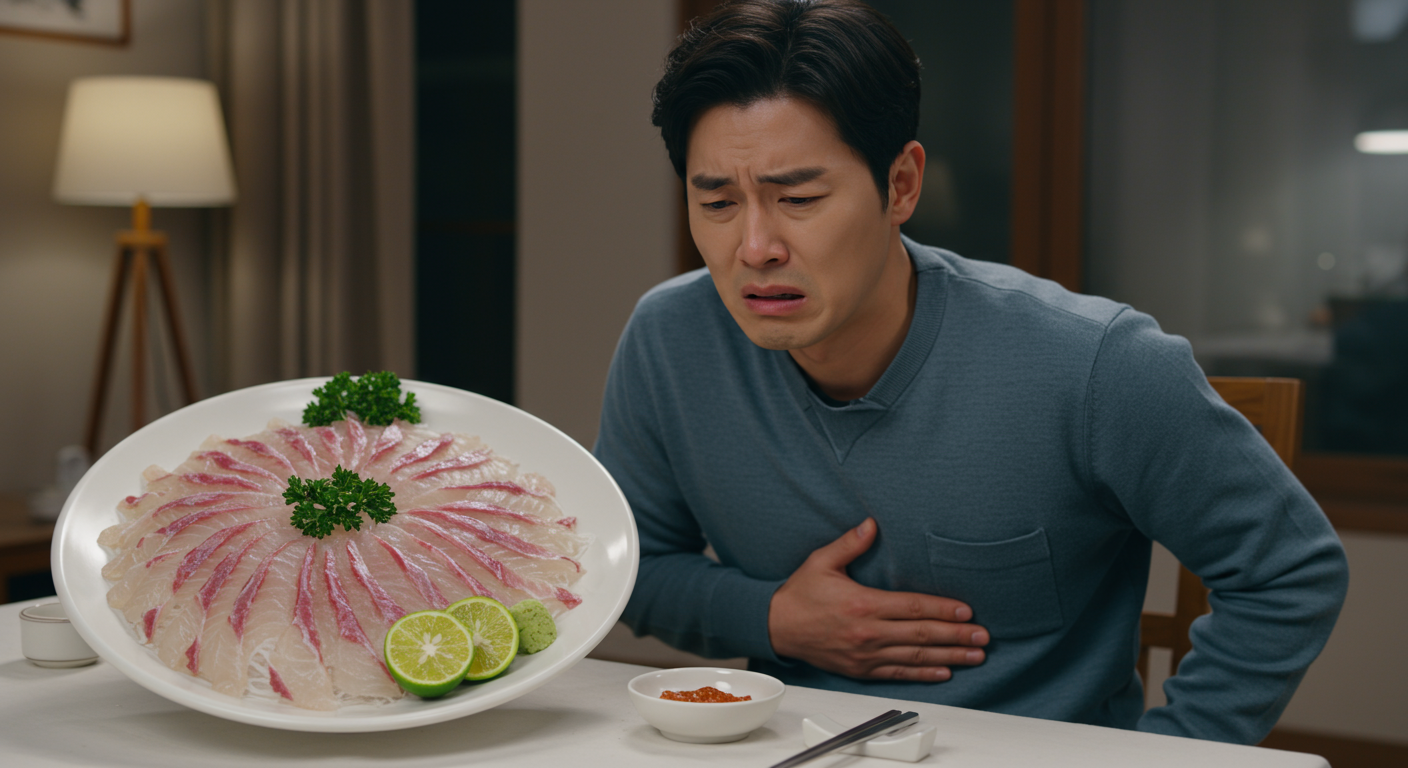
Symptoms of discomfort after eating raw fish
When you experience diarrhea and abdominal pain after eating raw fish, these symptoms typically begin anywhere from 6 to 72 hours after your meal. It's a wide window, so it can sometimes be tricky to pinpoint the exact cause right away.
Common symptoms include vomiting, stomach cramps, diarrhea, and fever. These issues often arise when raw seafood contains harmful bacteria like Vibrio, Salmonella, or E. coli.
Symptoms usually appear within 6 to 72 hours after consuming raw fish. Always pay attention to when your symptoms start!
Why Do You Get Sick? Food Poisoning vs. Other Causes

Distinguishing between food poisoning and other illnesses
Just because you're feeling sick after eating raw fish doesn't automatically mean you have food poisoning. Sometimes, it could be a common cold, a stomach flu (gastroenteritis), or simply that your digestive system is a bit sensitive to raw foods.
However, if you're experiencing a combination of vomiting, diarrhea, and abdominal pain, the likelihood of food poisoning is much higher. It's important to consider all possibilities, but stay alert to the common signs.
Common Culprits: Bacteria and Viruses from Raw Seafood
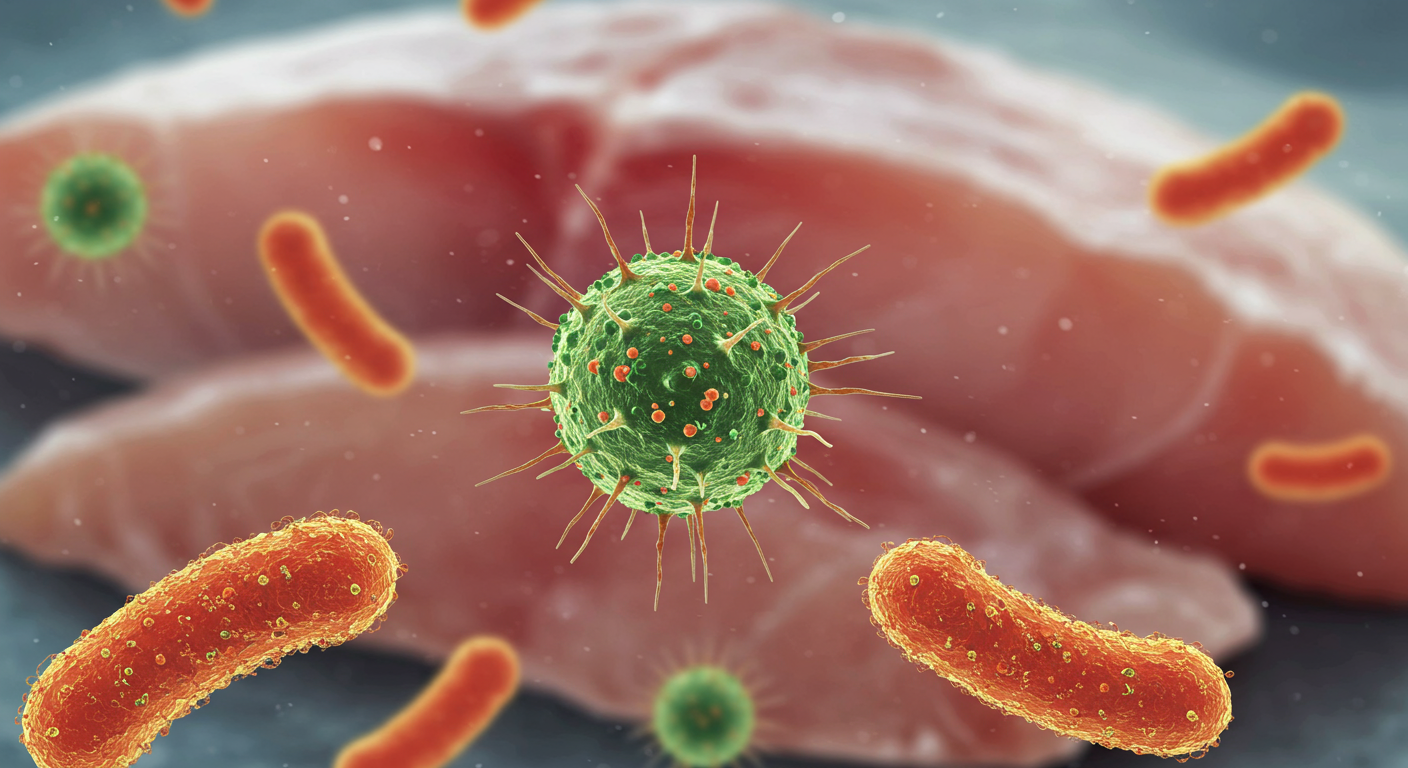
Harmful microorganisms found in raw seafood
When we talk about food poisoning from raw fish, several common bacteria and viruses are often the cause. Knowing who the "bad guys" are can help us understand the risks better.
These microorganisms thrive in raw seafood, especially in warmer months. Here are some of the main ones:
Major Food Poisoning Agents 📝
- Vibrio parahaemolyticus: Causes fever, abdominal pain, diarrhea 12-48 hours after eating. In severe cases, skin lesions can appear.
- Salmonella: Leads to abdominal pain, diarrhea, fever, and chills within 6-72 hours.
- E. coli (O-157): Can cause severe abdominal pain and bloody diarrhea 3-9 days after consumption. This one has a longer incubation period.
- Norovirus: Induces vomiting, diarrhea, abdominal pain, and chills within 24-48 hours.
Each of these has its own characteristics and incubation period, which is the time between eating the contaminated food and when symptoms begin.
Spotting the Difference: Food Poisoning vs. Simple Gastroenteritis
How can you tell if it's actual food poisoning from raw fish or just a regular stomach bug (gastroenteritis)? There are a few key things to look out for.
Food poisoning often has a clear "incubation period," which is the time from when you ate the food to when you started feeling sick. Also, it's common for multiple people who ate the same food to get sick around the same time.
| Feature | Food Poisoning | Simple Gastroenteritis |
|---|---|---|
| Onset Time | Often 6-72 hours post-meal | Varies, can be gradual |
| Group Occurrence | Common in groups who ate same food | Usually individual cases |
| Severity | Often sudden and intense symptoms | Can be milder, or progressive |
Simple gastroenteritis, on the other hand, usually happens due to personal factors like other infections or individual sensitivities, and its symptom patterns might differ. For more details on diagnosis, you can check out this resource: Food Poisoning Diagnosis and Treatment.
When to Worry: Self-Diagnosis and Warning Signs

Recognizing critical symptoms of food poisoning
If you suspect food poisoning after eating raw fish, sudden vomiting, diarrhea, abdominal pain, and fever are the main things to look out for. These can come on quite quickly and intensely.
However, some symptoms require immediate attention. It's really important to be cautious if you notice any of these more severe signs:
If your stool contains blood or mucus, or if you experience high fever, dehydration (dry mouth, reduced urination, dizziness), please seek medical help immediately. These are signs that your body needs serious attention!
These symptoms indicate that the illness might be more severe and could lead to complications if not treated promptly. Don't hesitate to visit a doctor if you experience any of them.
Getting Better: Treatment and Prevention Tips
The good news is that most cases of food poisoning from raw fish can be managed at home, but it's crucial to know how. The basic treatment involves replacing fluids and electrolytes that you lose through vomiting and diarrhea.
I'd recommend eating easily digestible foods like rice porridge or soft boiled rice. If your symptoms are severe, like persistent vomiting or diarrhea, you might need intravenous fluids at a hospital to prevent severe dehydration.
Treatment and Management Steps 📝
- Stay Hydrated: Drink plenty of water, clear broths, or oral rehydration solutions.
- Eat Bland Foods: Stick to simple, easy-to-digest foods like bananas, rice, applesauce, and toast (BRAT diet).
- Rest: Allow your body to recover.
- Medical Consultation: If symptoms worsen or persist, especially with blood in stool, high fever, or severe dehydration, seek professional medical advice.
Antibiotics are usually only prescribed for specific bacterial food poisoning cases or for high-risk individuals, such as the elderly or those with weakened immune systems. For general self-diagnosis, the Korea Food Safety Portal has useful information: Food Safety Korea Self-Diagnosis.
How to Enjoy Raw Fish Safely: Prevention is Key!
Preventing diarrhea after eating raw fish is much better than treating it. Following a few simple rules can greatly reduce your risk of getting sick.
These tips are especially important during warmer seasons when bacteria can multiply more rapidly. Here's what I recommend:
Safe Raw Fish Enjoyment Tips 📌
- Choose Freshness: Always select the freshest raw fish available and refrigerate it immediately after purchase.
- Avoid Raw Shellfish in Summer: It's best to avoid raw shellfish during summer months; cook them if possible.
- Practice Good Hygiene: Wash your hands thoroughly before and after handling raw fish. Sanitize cutting boards and utensils.
- Seek Medical Help: If you develop symptoms like diarrhea and abdominal pain, visit a doctor promptly. It's also a good idea to keep any leftover food for potential testing.
By following these easy steps, you can significantly reduce your chances of experiencing unpleasant symptoms and continue to enjoy your raw fish meals with peace of mind!
Quick Summary: Diarrhea After Raw Fish 📝
Let's quickly recap the most important things to remember about getting sick after eating raw fish.
Diarrhea After Eating Raw Fish: Key Facts
Frequently Asked Questions ❓
I hope this guide has helped you understand more about diarrhea after eating raw fish and how to keep yourself safe. Knowing the symptoms, causes, and prevention methods can make a big difference in enjoying your meals without worry.
If you have any more questions or personal experiences to share, feel free to leave a comment below! 😊


댓글
댓글 쓰기